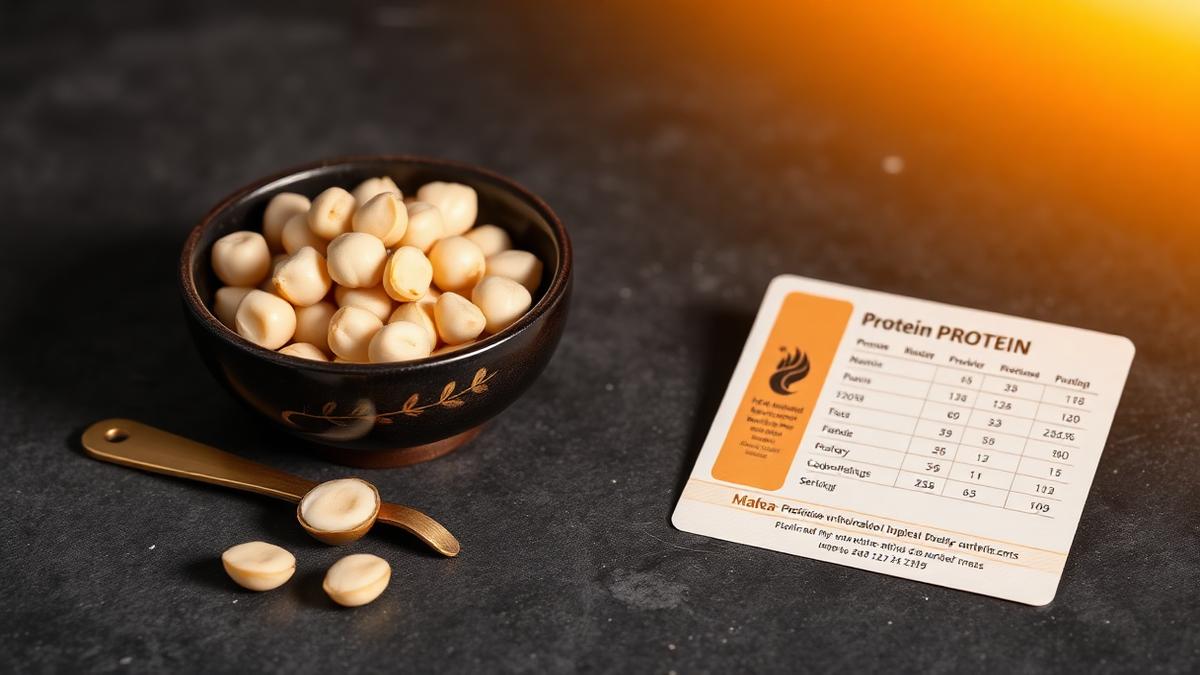
Makhana Protein: How Much Protein Is in 100g Makhana? (Honest 2026 Data)

Founder, RootWell · Lost 20kg with Ayurveda · 5+ yrs in traditional digestive wellness, trained under family practitioners in Bihar.
Search "makhana protein" and you'll get one number repeated everywhere: 9.7g per 100g. That number is correct — and almost useless on its own, because nobody eats 100g of makhana in a sitting. Here is the honest version.
Makhana Protein: The Real Numbers
| Portion | Weight | Protein | Calories |
|---|---|---|---|
| Per 100g (reference) | 100g | 9.7g | ~347 kcal |
| Standard evening bowl | 30g | ~2.9g | ~104 kcal |
| Large snack bowl | 50g | ~4.9g | ~174 kcal |
So a normal bowl gives you roughly 3g of protein. That's real, but it is a supporting actor — not your protein source. Anyone selling makhana as a "high-protein superfood" is stretching the truth, and I'd rather you hear that from the person selling it.
Where Makhana Actually Wins: Protein Per Calorie
The honest case for makhana isn't absolute protein — it's the protein-to-calorie ratio at snack time. Compare a 100-calorie serving of each:
| Snack (100 kcal worth) | Protein | Fat | Verdict |
|---|---|---|---|
| Makhana (~29g) | 2.8g | 0.03g | Big volume, almost zero fat |
| Almonds (~17g) | 3.6g | 8.5g | More protein, far more fat |
| Potato chips (~18g) | 1.1g | 6.3g | Worst of both |
| Sattu (~24g) | 4.8g | 1.4g | Best protein density |
Read that table honestly: if protein is your only goal, chana sattu beats makhana per calorie. If you want something you can eat a large satisfying bowl of at 7 PM without wrecking your day, makhana wins on volume and near-zero fat. In my own routine they do two different jobs — sattu in the morning, makhana in the evening.
Is Makhana Protein "Complete"?
No — and no honest brand should say otherwise. Makhana is relatively low in lysine, the same limitation most plant seeds have. The fix is the traditional one your grandmother used without knowing the biochemistry: pair it with dairy or a legume. Makhana kheer with milk, or makhana with a glass of buttermilk, gives a far better amino acid profile than makhana alone. See the recipe guide for pairings that do this naturally.
How to Get More Protein From Your Makhana Habit
- Roast in A2 ghee and add roasted chana — a 50:50 mix nearly doubles the protein of the bowl
- Makhana kheer with full milk — adds ~8g complete protein per serving
- Powder it into a post-workout shake with sattu and milk — the makhana adds bulk and minerals, the sattu adds the protein
- Stop treating it as a protein source — treat it as the healthiest carrier for one
Grade Matters More Than You Think
Protein content is fairly stable across makhana, but grade changes everything about the eating experience. 5-suta and 6-suta pops (the largest grades) come from mature Mithila seeds and hold their crunch; low-grade small pops are chewy and often over-dried. That's why we only pack 5-suta from Darbhanga–Madhubani lots. More on this in Mithila vs regular makhana.
RootWell Mithila Makhana
5-suta grade, GI-tagged Mithila lots, hand-sorted. Raw for your own roasting, or roasted in A2 ghee if you want it ready to eat.
Continue in the Makhana Library
Sources & Further Reading
- Ministry of AYUSH, Government of India
- NIH NCCIH — Ayurvedic Medicine: In Depth
- PubMed — Peer-reviewed research on Ayurveda & digestion
- World Health Organization — Traditional Medicine
Medical disclaimer: This article is written by Muskan Kumari and reviewed on 1 Oct 2026. It is based on classical Ayurvedic texts, lived personal experience, and publicly available research — and is for educational purposes only. It is not a substitute for professional medical advice, diagnosis, or treatment. Always consult a qualified healthcare practitioner for medical conditions, especially if you are pregnant, nursing, or on prescription medication.