7 Healthy Makhana Recipes: Roasted, Kheer, Chaat & More (Bihari Kitchen)
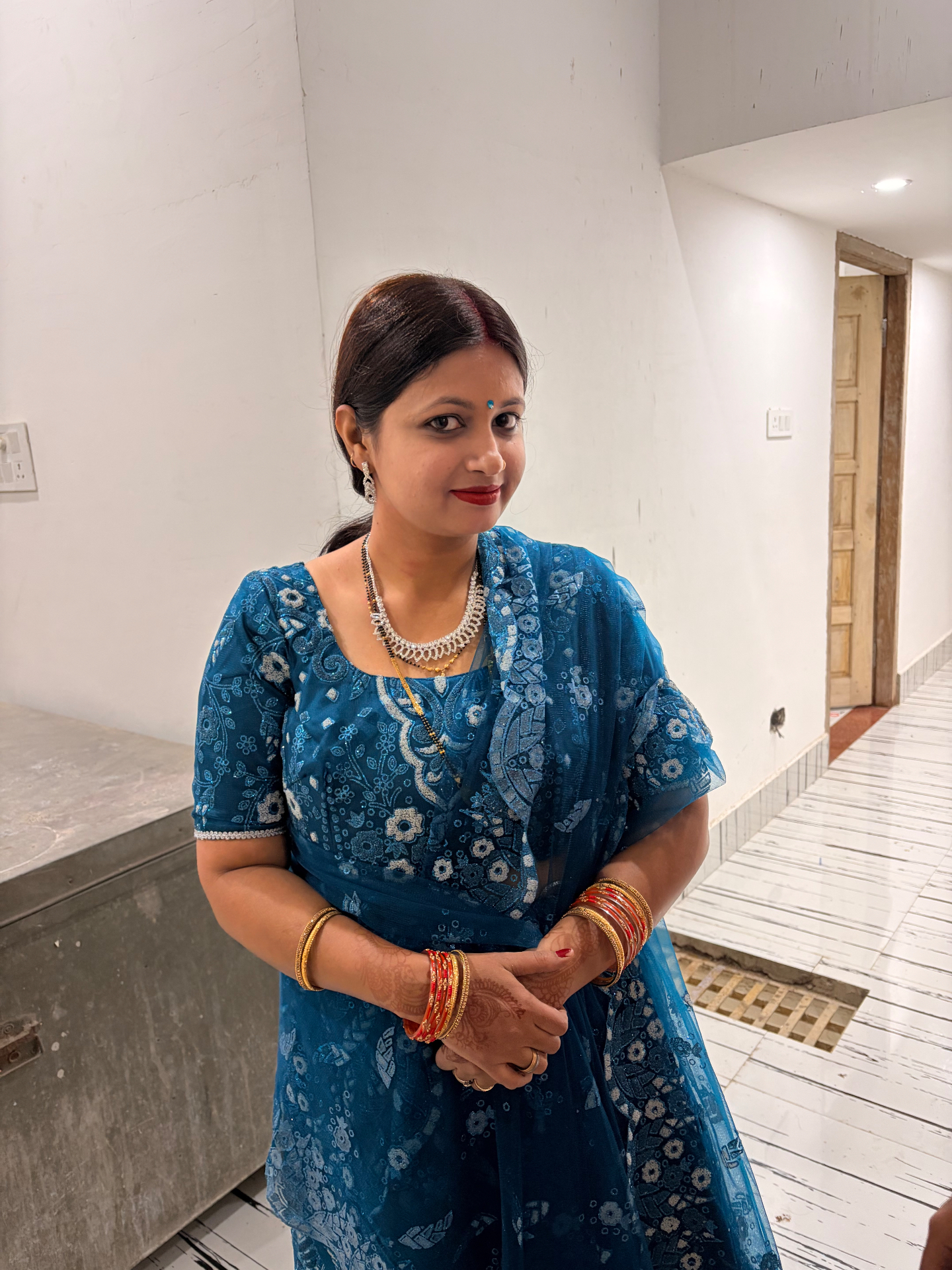
Founder, RootWell · Lost 20kg with Ayurveda · 5+ yrs in traditional digestive wellness, trained under family practitioners in Bihar.
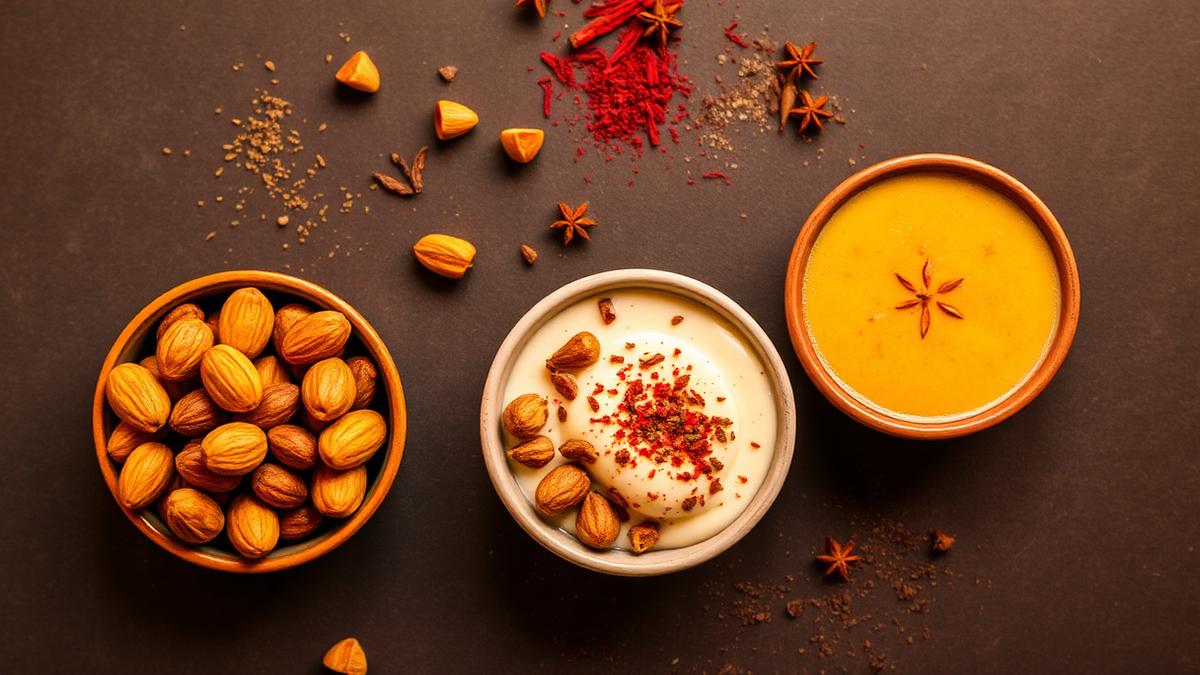
In Mithila, makhana is not a "health snack" — it's an everyday ingredient. It goes into kheer at weddings, into curry during fasting, and into a hot ghee-roasted bowl on winter evenings. These are the seven ways we actually cook it at home.
First: The Roasting Rule Everyone Gets Wrong
Makhana absorbs moisture from air, so most bowls are chewy before they're even seasoned. Always dry-roast first on low flame for 4–5 minutes, then add ghee and spices. Ghee first means soggy makhana. Dry first means a crunch that survives three days in a jar.
1. Classic Ghee-Roasted Masala Makhana
You need: 50g makhana, 1 tsp A2 ghee, ¼ tsp rock salt, ¼ tsp black pepper, pinch of turmeric.
Dry-roast makhana on low for 5 minutes until it snaps when pressed. Push aside, add ghee, return makhana, toss 2 minutes. Kill the flame, add salt, pepper, turmeric and toss again. Cool fully before storing — trapped steam is what makes it go soft.
2. Makhana Kheer (No Refined Sugar)
You need: 40g makhana, 500ml full-fat milk, 4 dates or 2 tbsp jaggery, 4 cardamom pods, 6 chopped almonds.
Roast makhana in ½ tsp ghee, crush half of it coarsely (this thickens the kheer naturally). Simmer milk to two-thirds, add makhana, cook 10 minutes, add date paste off the flame so the milk doesn't split. This is a genuinely high-protein dessert — the milk supplies the lysine makhana lacks.
3. Makhana Chaat (5-Minute Evening Fix)
Roasted makhana + finely chopped onion, tomato, cucumber + lemon + chaat masala + coriander. Assemble immediately before eating, never in advance. Around 150 kcal for a full plate.
4. Makhana Curry (Phalahari / Vrat-Friendly)
Roast 50g makhana. Make a base of tomato-cashew paste with ghee, cumin, ginger and green chilli; simmer 8 minutes; fold makhana in at the very end and rest 3 minutes so they soften but don't dissolve. Eaten across Bihar during Navratri.
5. Makhana Laddoo
Roast and powder 100g makhana, mix with 80g jaggery melted in 2 tbsp ghee, add crushed almonds and cardamom, roll while warm. Keeps 10 days. Traditionally given to new mothers in Mithila — my mother made these for me after delivery.
6. Makhana Protein Shake
Blend 20g roasted makhana powder + 1 tbsp chana sattu + 200ml milk + 1 date. The sattu carries the protein (~10g), the makhana adds minerals and body. Better post-workout than either alone.
7. Makhana Poha / Upma Topper
Toss a handful of roasted makhana into poha or upma in the last 30 seconds. Adds crunch and cuts the glycaemic hit of the refined base — the easiest upgrade on this list.
Storage: Keeping the Crunch
- Cool completely before jarring — 20 minutes minimum
- Airtight steel or glass, never a zip pouch left half-open
- Roast weekly in small batches rather than a month at once
- If it softens, 3 minutes of dry roasting brings it back fully
Which grade you start with decides how good these turn out. Small pops shrink and toughen in the pan; 5-suta pops stay large and shatter-crisp. That difference is explained in Mithila vs regular makhana, and the daily-habit version is in how to eat makhana daily.
RootWell Mithila Makhana
Raw 5-suta makhana for recipes 1–7, or the A2 ghee-roasted pouch if you want recipe 1 done for you.
Continue in the Makhana Library
Sources & Further Reading
- Ministry of AYUSH, Government of India
- NIH NCCIH — Ayurvedic Medicine: In Depth
- PubMed — Peer-reviewed research on Ayurveda & digestion
- World Health Organization — Traditional Medicine
Medical disclaimer: This article is written by Muskan Kumari and reviewed on 1 Oct 2026. It is based on classical Ayurvedic texts, lived personal experience, and publicly available research — and is for educational purposes only. It is not a substitute for professional medical advice, diagnosis, or treatment. Always consult a qualified healthcare practitioner for medical conditions, especially if you are pregnant, nursing, or on prescription medication.