Mithila Makhana vs Regular Makhana: Why GI-Tagged Is Different (Honest Guide)

Founder, RootWell · Lost 20kg with Ayurveda · 5+ yrs in traditional digestive wellness, trained under family practitioners in Bihar.
In August 2022, "Mithila Makhana" received India's official GI (Geographical Indication) tag — the same legal protection given to Darjeeling tea, Basmati rice and Banarasi sarees. It was not just a marketing badge. It legally recognised what farmers in Darbhanga, Madhubani and Saharsa have known for centuries: the makhana grown in this region is genuinely different. Here is the honest breakdown from a Mithila daughter.
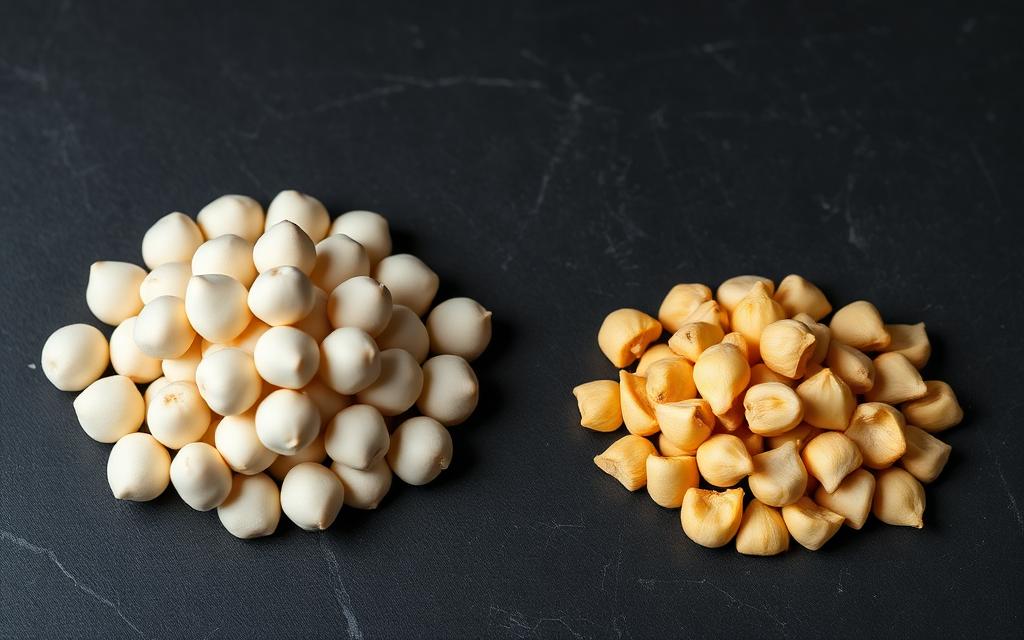
Side-by-Side Comparison
| Attribute | Mithila Makhana (5-suta) | Regular Commercial Makhana |
|---|---|---|
| Origin | Darbhanga / Madhubani / Saharsa, Bihar | Mixed — often other states |
| GI Tag (2022) | Yes — legally protected | No |
| Grade (suta) | 5–6+ (largest) | 2–3 (small / cracked) |
| Diameter | 22–25 mm | 10–18 mm |
| Colour | Snow white, uniform | Off-white, yellowish patches |
| Texture | Light, perfectly crisp | Often chewy or dense |
| Processing | Hand-popped, sun-dried | Often chemical-bleached |
| Price (per kg) | ~₹1,500–2,500 | ~₹500–900 |
What "Suta" Actually Means
Suta is the Mithila grading system for makhana size. Higher suta = larger nut. 2-suta is the cheapest small-grade — what most "value" brands sell. 5-suta and above is the export-grade premium nut that traditionally goes to Gulf countries and the USA. It is rarely available in regular Indian retail because the price point is too high for mass market.
Why Mithila Makhana Is Actually Different
- Soil and water: Mithila ponds have a specific clay-mineral profile that Euryale ferox needs. Same plant, different pond = smaller, less crisp seed.
- 300+ years of farmer knowledge: Generational skill for harvest timing and pop temperature
- Hand-popping over hot pans: Industrial poppers crack and yellow the nut
- Sun-drying for 4–6 weeks: Reduces moisture so the popped seed stays light, not chewy
- No bleaching: The white you see is natural, not chemical
How to Spot Real Mithila Makhana
- Size: Each nut should be roughly the diameter of a 5 rupee coin
- Colour: Uniform snow white. Yellowish patches mean it was over-aged or chemically processed
- Crunch test: Press one between fingers. Real 5-suta crumbles cleanly. Cheap grade is rubbery.
- Smell: Real makhana smells mildly nutty. A sulphur smell means bleaching.
- Source transparency: Brand should name the district (Darbhanga / Madhubani / Saharsa)
Is the Higher Price Worth It?
Yes — but only because of weight efficiency. A 100g pouch of real 5-suta Mithila makhana gives you ~150 nuts. A 100g pouch of 2-suta gives ~400 small nuts that are denser, chewier, and you end up eating more to feel satisfied. Cost per "satisfying handful" actually ends up similar.
My honest recommendation: If you are going to eat makhana regularly, do it properly. RootWell sources exclusively 5-suta+ from direct Mithila farmer cooperatives in Darbhanga — no middlemen, no chemical bleaching. Try RootWell Raw Mithila Makhana once and you will never go back to small-grade.
Try Real Mithila Makhana →Related Reading
- What Is Makhana & How It's Made — Mithila Process
- Raw vs Roasted Makhana — Which Should You Buy?
- Makhana vs Almonds — Honest Comparison
Sources & Further Reading
- Ministry of AYUSH, Government of India
- NIH NCCIH — Ayurvedic Medicine: In Depth
- PubMed — Peer-reviewed research on Ayurveda & digestion
- World Health Organization — Traditional Medicine
Medical disclaimer: This article is written by Muskan Kumari and reviewed on 16 Oct 2026. It is based on classical Ayurvedic texts, lived personal experience, and publicly available research — and is for educational purposes only. It is not a substitute for professional medical advice, diagnosis, or treatment. Always consult a qualified healthcare practitioner for medical conditions, especially if you are pregnant, nursing, or on prescription medication.