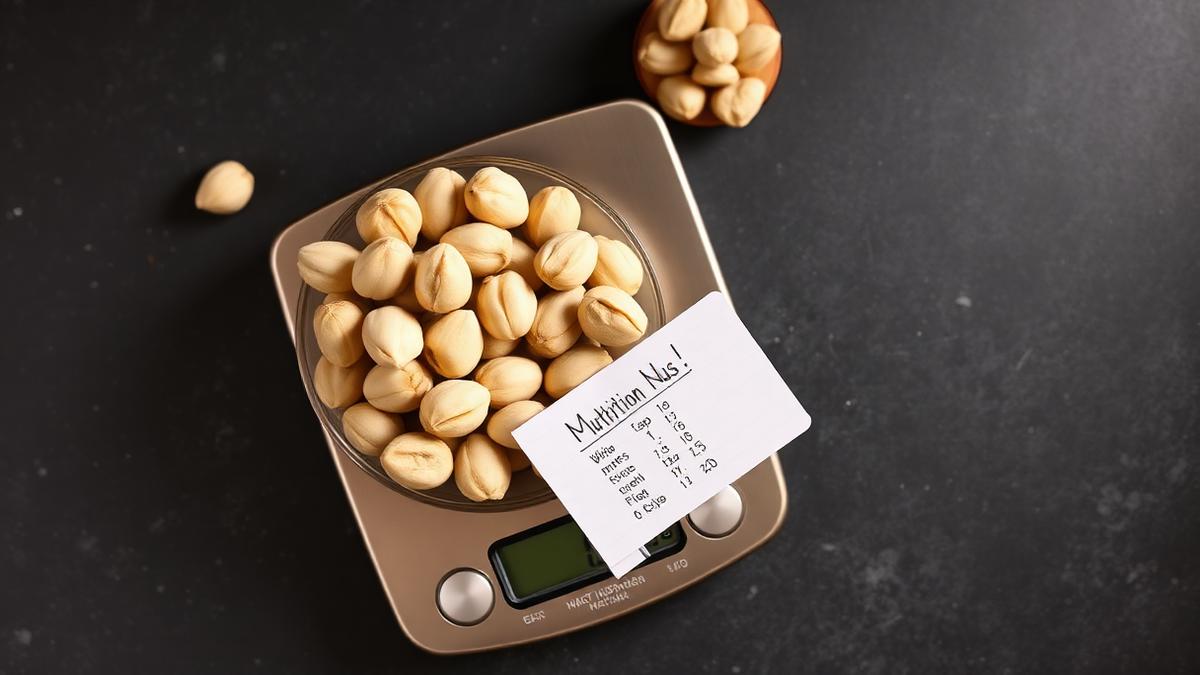
Makhana Nutritional Value per 100g: Calories, Protein, Carbs, Minerals (Full Data)

Founder, RootWell · Lost 20kg with Ayurveda · 5+ yrs in traditional digestive wellness, trained under family practitioners in Bihar.
This is the page I wished existed when I started sourcing makhana: one clean data sheet, no marketing. Values below are for plain popped makhana (Euryale ferox), per 100g dry weight.
Makhana Nutrition per 100g — Complete Table
| Nutrient | Per 100g | Per 30g bowl |
|---|---|---|
| Energy | 347 kcal | 104 kcal |
| Protein | 9.7 g | 2.9 g |
| Carbohydrate | 76.9 g | 23.1 g |
| Dietary fibre | 7.6 g | 2.3 g |
| Total fat | 0.1 g | 0.03 g |
| Calcium | 60 mg | 18 mg |
| Magnesium | 210 mg | 63 mg |
| Potassium | 500 mg | 150 mg |
| Phosphorus | 200 mg | 60 mg |
| Iron | 1.4 mg | 0.4 mg |
| Sodium | ~1 mg | ~0.3 mg |
Values are typical ranges from Indian food composition data for popped fox nuts; small variation exists between lots and grades.
The Three Numbers That Actually Matter
1. Fat: essentially zero
0.1g fat per 100g is the single most unusual thing about makhana. No other popular Indian snack — not almonds, not peanuts, not chivda — comes close. This is why it's the default evening snack for anyone watching cholesterol or calories. Note: this changes the moment you roast it. See below.
2. Sodium: near zero
Plain makhana is a naturally sodium-free food, which makes it one of the few genuinely BP-friendly Indian snacks. Commercially flavoured "peri peri" packs undo this completely — some carry 400–600mg sodium per 100g.
3. Magnesium and potassium: quietly excellent
210mg magnesium per 100g is a real strength — magnesium supports muscle function and sleep quality, and most Indian diets run short. Combined with 500mg potassium and near-zero sodium, the electrolyte profile is unusually good.
What Changes When You Roast It in Ghee
| Per 30g serving | Plain / raw | Roasted in ghee |
|---|---|---|
| Calories | 104 kcal | ~135 kcal |
| Fat | 0.03 g | ~3.5 g |
| Satiety | Moderate | High |
Roasting adds calories and fat according to the amount used. If convenience matters, a clearly labelled ghee-roasted option may suit you; if control matters, roast it at home. See the full raw vs roasted makhana comparison.
Glycaemic Load: Why 76g of Carbs Isn't Scary
Makhana is carb-dense on paper, but a 30g bowl carries only ~23g carbs with 2.3g fibre, and its resistant starch slows the release. That's a moderate glycaemic load — very different from the same calories of biscuits. For diabetes-specific guidance, portion control (25–30g) and skipping sugar-coated variants matters far more than the raw carb number.
Makhana vs Other Snacks — Nutrition at a Glance
| Per 100g | Calories | Protein | Fat | Fibre |
|---|---|---|---|---|
| Makhana | 347 | 9.7 g | 0.1 g | 7.6 g |
| Almonds | 579 | 21 g | 50 g | 12.5 g |
| Peanuts | 567 | 26 g | 49 g | 8.5 g |
| Potato chips | 536 | 7 g | 35 g | 4.4 g |
| Chana sattu | 406 | 20 g | 6 g | 18 g |
The head-to-head with almonds gets asked constantly — I've written it out properly in makhana vs almonds.
RootWell Mithila Makhana
Hand-sorted 5-suta Mithila makhana. Nothing added — so the nutrition on this page is the nutrition in the pouch.
Continue in the Makhana Library
Sources & Further Reading
- Ministry of AYUSH, Government of India
- NIH NCCIH — Ayurvedic Medicine: In Depth
- PubMed — Peer-reviewed research on Ayurveda & digestion
- World Health Organization — Traditional Medicine
Medical disclaimer: This article is written by Muskan Kumari and reviewed on 1 Oct 2026. It is based on classical Ayurvedic texts, lived personal experience, and publicly available research — and is for educational purposes only. It is not a substitute for professional medical advice, diagnosis, or treatment. Always consult a qualified healthcare practitioner for medical conditions, especially if you are pregnant, nursing, or on prescription medication.