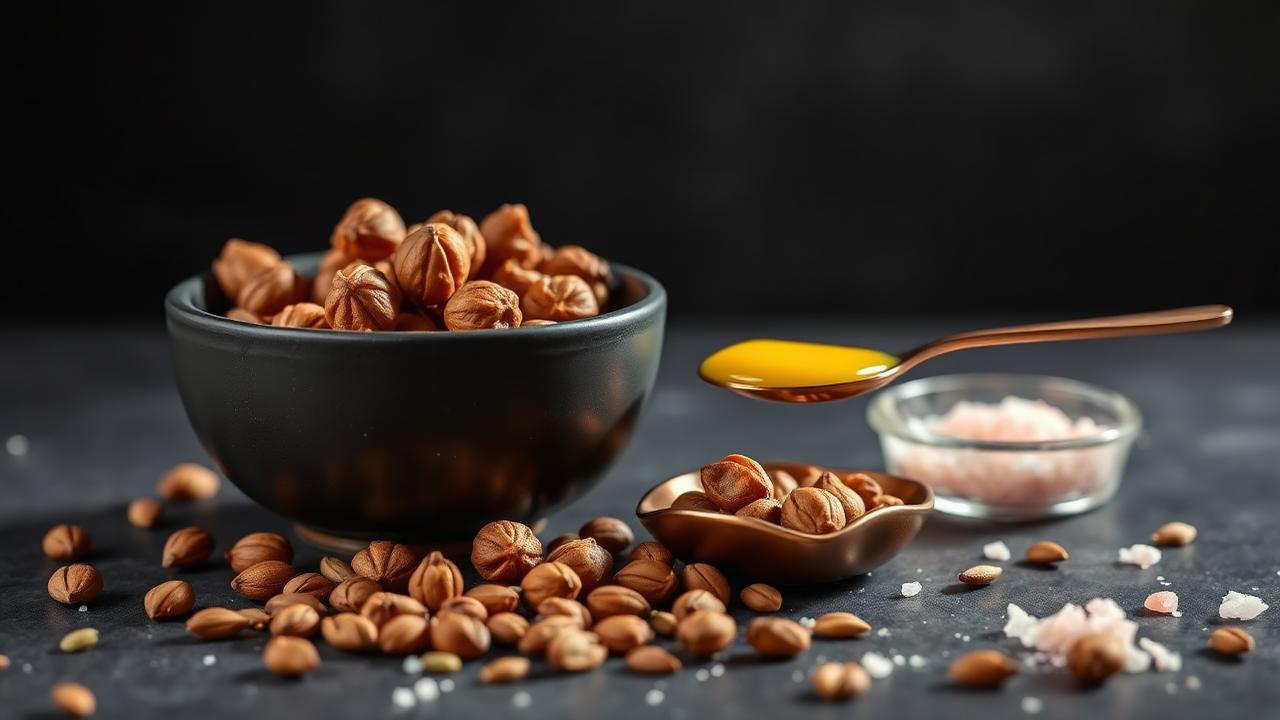
Makhana (Fox Nuts): Benefits, Side Effects & Best Time to Eat

Founder, RootWell · Lost 20kg with Ayurveda · 5+ yrs in traditional digestive wellness, trained under family practitioners in Bihar.
Makhana — also known as fox nuts or lotus seeds — has gone from a temple offering to a global superfood in just 5 years. Bollywood stars eat them, gym bros snack on them, and your grandmother has been eating them for decades. But are they really as healthy as everyone says? Yes — with a few caveats.
Makhana Nutrition (Per 100g)
- Calories: 347 kcal
- Protein: 9.7g
- Carbs: 76g (low GI)
- Fat: only 0.1g
- Calcium: 60mg
- Magnesium, potassium, phosphorus — all high
7 Science-Backed Benefits of Makhana
Low fat, high protein, very satiating. A handful of roasted makhana is just 80–100 kcal but fills you for hours.
Contains kaempferol — a powerful flavonoid that fights free radicals and inflammation.
High magnesium + potassium = better blood pressure regulation.
Low glycemic index — won't spike blood sugar.
Contains natural sedative compounds — a small bowl before bed promotes deep sleep.
Calcium + phosphorus combination is excellent for bone density.
Naturally gluten-free, vegan, satvik — fits almost every diet.
Best Time to Eat Makhana
- Mid-morning snack (between breakfast and lunch) — best
- 4 PM tea time — replaces biscuits perfectly
- Pre-workout — slow-release carbs
- Avoid late at night if you have weak digestion (Vata types)
Makhana Side Effects (Most People Don't Know)
- Overeating causes bloating and constipation (max 30g/day)
- Can lower blood sugar too much in diabetics on medication
- Allergies are rare but possible
- Roasted makhana with too much salt defeats the purpose
Try RootWell Premium Makhana
Hand-picked Mithila makhana — both plain and roasted-in-ghee variants. Premium grade, perfectly crunchy, no artificial flavours.
Sources & Further Reading
- Ministry of AYUSH, Government of India
- NIH NCCIH — Ayurvedic Medicine: In Depth
- PubMed — Peer-reviewed research on Ayurveda & digestion
- World Health Organization — Traditional Medicine
Medical disclaimer: This article is written by Muskan Kumari and reviewed on 16 Oct 2026. It is based on classical Ayurvedic texts, lived personal experience, and publicly available research — and is for educational purposes only. It is not a substitute for professional medical advice, diagnosis, or treatment. Always consult a qualified healthcare practitioner for medical conditions, especially if you are pregnant, nursing, or on prescription medication.