Bihar's Sattu & Makhana at the BRICS Summit 2026: What Was in the Welcome Kit and Why It Matters
Founder, RootWell · Lost 20kg with Ayurveda · 5+ yrs in traditional digestive wellness, trained under family practitioners in Bihar.
On 12 September 2026, the 18th BRICS Summit opened at Bharat Mandapam in New Delhi. Inside the welcome kit handed to delegates and to the journalists covering it sat two things I have spent the last two years sourcing from Bihar: sattu and makhana. As someone who packs both by hand every week, I want to write this one carefully — what is actually confirmed, what it means, and what it does not mean.
Quick answer: what happened?
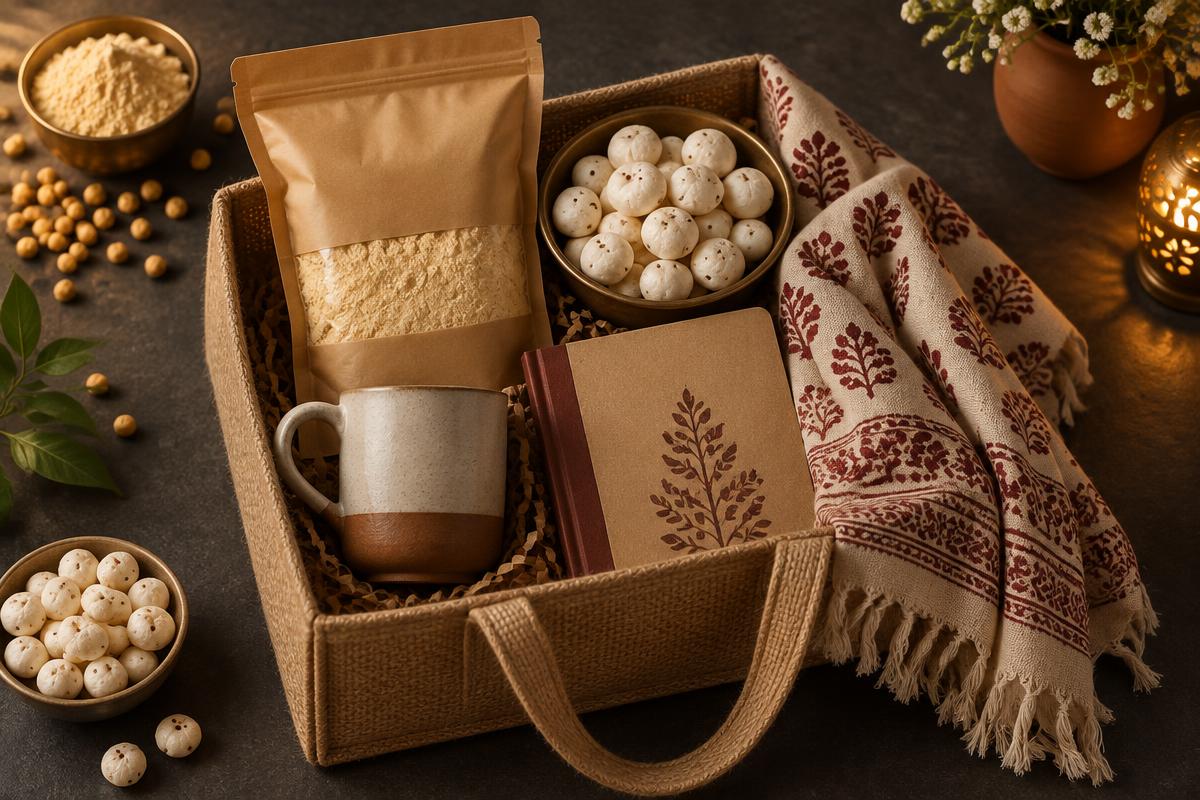
India's Ministry of External Affairs curated a welcome / media kit for the 18th BRICS Summit (New Delhi, 12–13 September 2026). Reported contents include sattu and makhana from Bihar, 100% Arabica specialty coffee from Koraput, Odisha, a block-printed stole from Gujarat, a metal water bottle, a coffee mug, a BRICS diary and pen, and a tote bag with a built-in charging port — nine items in all, distributed to the roughly 1,200–1,500 journalists expected at the summit's International Media Centre.
Reported by Hindustan Times, The Hindu, WION, Business Today and Moneycontrol, among others.
What was actually inside the BRICS 2026 kit
| Item | Origin | Why it was chosen |
|---|---|---|
| Sattu | Bihar | Roasted gram flour; a daily staple and summer drink across Bihar and eastern UP |
| Makhana (fox nuts) | Bihar (Mithila belt) | Bihar's flagship agri-product; GI-tagged as Mithila Makhana |
| Specialty coffee | Koraput, Odisha | 100% Arabica from Odisha's tribal coffee highlands |
| Block-printed stole | Gujarat | Handicraft representation |
| Tote bag with charging port, mug, bottle, diary, pen | — | Working kit for visiting media |
Bihar Chief Minister Samrat Choudhary called it a "Local to Global" moment for the state, saying the inclusion put Bihar's culinary heritage and entrepreneurial spirit in the global spotlight. Some outlets, including The Times of India, reported that flavoured makhana was part of the kit rather than plain popped makhana.
Why sattu and makhana — and not something else from Bihar?
Bihar has plenty of candidates: Bhagalpur silk, Nalanda's Bawan Buti weave, Shahi litchi, Katarni rice. Two food items got the nod because they travel, they keep, and they explain themselves in one bite.
- Shelf-stable. Both are dry, ambient-stable products that survive a flight home in a tote bag. A perishable sweet or a fresh fruit could not do that.
- Ready to try. Makhana is eaten straight from the pouch. Sattu needs only cold water, salt or jaggery, and a spoon.
- A clean origin story. Makhana carries a GI tag as Mithila Makhana, and Bihar accounts for the overwhelming majority of India's makhana cultivation. Sattu is genuinely everyday food in the state, not a revived novelty.
- They fit the "superfood" framing. Sattu is a high-protein roasted gram flour; makhana is a low-fat, high-volume snack. Both read well to an international audience that already buys quinoa and chia.
What a global audience will actually notice first
Sattu
Sattu is dry-roasted, stone-ground Bengal gram (chana). It is not a processed protein powder and does not behave like one — it is grainy, nutty, and mixes into water rather than dissolving. A plain 100g of chana sattu carries roughly 20g of protein and a large amount of fibre, which is why it fills you up far more than the calories suggest. In Bihar it is a summer drink (sattu sharbat), a paratha stuffing, and a litti filling. If you want the full breakdown, read the sattu protein guide and how to make a sattu drink at home.
Makhana
Makhana is the popped seed of Euryale ferox, grown in the ponds of the Mithila belt — Darbhanga, Madhubani and around. It is harvested by hand from waist-deep water, sun-dried, roasted and popped, then graded by pop size: the larger "suta" grades are the premium ones. Plain makhana is nearly fat-free and very light, which is why a large bowl still lands around 100 calories. Details in makhana nutrition per 100g.
Taste what was on the table
RootWell packs the same two Bihar staples that travelled to Bharat Mandapam: stone-ground pure chana sattu, and 5-suta Mithila makhana — raw, or roasted in A2 ghee.
What this does — and does not — mean for buyers
Let me be straight, because I sell these products. A government welcome kit is recognition for a state's produce, not a certificate for any single brand. RootWell was not in that bag. No honest brand can claim it was "served at BRICS" unless it was named as a supplier, and I have not seen any brand named in the reporting.
What it genuinely signals:
- Sattu and makhana are now on an international shortlist of Indian foods. Expect more export enquiries, more retail shelf space, and more brands entering the category.
- More entrants means more variation in quality. When a category gets hot, small-grade makhana gets repacked as premium and sattu gets cut with cheaper flours.
- Origin and grade labelling become the only reliable filter. Pack date, grade (suta size), and a named sourcing district tell you more than any summit photo.
How to buy well now that everyone is selling it
| Check | Sattu | Makhana |
|---|---|---|
| Ingredient list | Should read "roasted Bengal gram" and nothing else | Plain: makhana only. Roasted: makhana, ghee, salt |
| Origin | Named district, not just "Bihar style" | Mithila belt (Darbhanga, Madhubani and around) |
| Grade / grind | Stone-ground, fine but not powdery-white | Suta grade stated (5-suta and up is premium) |
| Freshness | Pack date visible; sattu dulls with age | Crisp snap, no chewiness or musty smell |
If you want the longer versions of these checks, I have written them out in the premium makhana brand buyer guide and the Mithila makhana price guide. For the comparison people ask most, see raw vs roasted makhana.
A personal note
I started RootWell from Bihar because I was tired of seeing our everyday foods treated as "poor man's food" at home and as an exotic novelty outside. Watching sattu and makhana sit in a kit handed to 1,200-plus foreign journalists is a strange, good feeling. It changes nothing about how the pond farmers in Madhubani work in August. It might change what their harvest is worth. That is the part worth celebrating.
FAQs
Were sattu and makhana really in the BRICS 2026 welcome kit?
Yes. Multiple national outlets reported on 11–12 September 2026 that Bihar's sattu and makhana were included in the MEA-curated welcome / media kit for the 18th BRICS Summit in New Delhi.
When and where was the 18th BRICS Summit held?
At Bharat Mandapam, New Delhi, on 12–13 September 2026.
What else was in the BRICS goodie bag?
Reported items include Koraput Arabica coffee from Odisha, a Gujarati block-printed stole, a metal water bottle, a coffee mug, a BRICS diary and pen, a souvenir, and a tote bag with a built-in charging port — nine items in total.
Which brand supplied the sattu and makhana?
The reporting credits Bihar's produce, not a specific brand. Treat any brand claiming to be "the BRICS supplier" with caution unless it is named in a verifiable source.
Is makhana from Bihar GI-tagged?
Yes — makhana from the Mithila region carries a Geographical Indication as Mithila Makhana. The GI applies to the region's produce, not to any one company.
What is the difference between sattu and protein powder?
Sattu is whole roasted gram, ground. It brings fibre and minerals along with its protein and behaves like food, not a supplement. See sattu vs whey protein.
Keep reading
Sources & Further Reading
- Ministry of AYUSH, Government of India
- NIH NCCIH — Ayurvedic Medicine: In Depth
- PubMed — Peer-reviewed research on Ayurveda & digestion
- World Health Organization — Traditional Medicine
Medical disclaimer: This article is written by Muskan Kumari and reviewed on 1 Oct 2026. It is based on classical Ayurvedic texts, lived personal experience, and publicly available research — and is for educational purposes only. It is not a substitute for professional medical advice, diagnosis, or treatment. Always consult a qualified healthcare practitioner for medical conditions, especially if you are pregnant, nursing, or on prescription medication.