What Is Sattu? Complete Guide to India's Original Superfood

Founder, RootWell · Lost 20kg with Ayurveda · 5+ yrs in traditional digestive wellness, trained under family practitioners in Bihar.
If you grew up outside Bihar, Jharkhand or eastern UP, chances are you'd never heard of sattu until a wellness influencer mentioned it. But sattu — slow-roasted, stone-ground chana powder — has been an everyday Indian staple for at least 2,000 years. It is documented in Sushruta Samhita (~600 BCE) and is still the daily breakfast of farmers across eastern India.
I'm Muskan, founder of RootWell, born in Bihar. Sattu was on my breakfast table before I knew the word "protein". Here is the complete, honest guide — what it is, what it isn't, and why it's quietly becoming an urban Indian superfood again.
Short Answer: What Is Sattu?
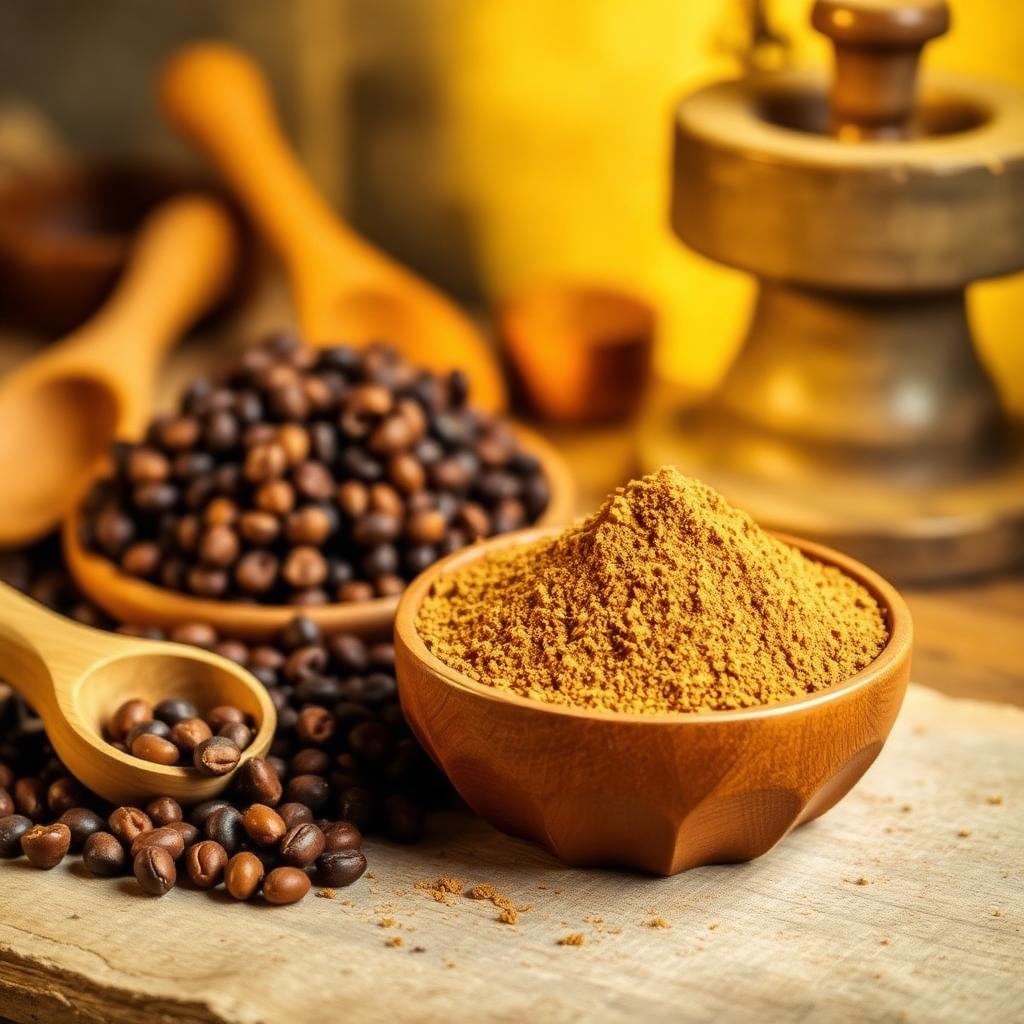
Sattu is a flour made by dry-roasting whole black chickpeas (kala chana) and stone-grinding them into a fine powder. Pure chana sattu has roughly 22–25g of plant protein per 100g, almost no fat, and is naturally cooling for the body. It's mixed with water or milk and consumed as a drink, or used as a stuffing for parathas and litti.
What Is Sattu Made Of?
Pure sattu has exactly one ingredient: roasted black chana (Bengal gram). That's it. Nothing else.
"Mixed sattu" — what most supermarket brands sell — also contains roasted barley (jau), gram flour (besan), and sometimes roasted wheat or maize. Mixing drops the protein content from ~25g to ~15g per 100g and dilutes the deep nutty flavour. Always read the label.
How Is Sattu Made? (Traditional Process)
- Sun-drying: Whole black chana is sun-dried for 2–3 days to lower moisture.
- Slow dry-roasting: Roasted in iron kadhais or large clay pots, traditionally over wood fire, on low heat for 30–40 minutes — until the chana darkens and develops a deep nutty aroma.
- Winnowing: The brittle skins are loosened and removed.
- Stone-grinding: The roasted chana is ground in a chakki (stone mill) into a fine powder. Stone-grinding stays cool — preserving the nutrients that high-speed steel mills can destroy.
Mass-manufactured sattu skips one or more of these steps — usually the slow-roasting (replaced by industrial drum-roasting) and stone-grinding (replaced by hammer mills). That's why authentic Bihari sattu tastes noticeably better than supermarket sattu.
What Is Sattu Called in English?
There is no exact English word. The closest description is "roasted gram flour" or "chickpea flour (roasted)". Don't confuse it with besan — besan is made from raw split chickpeas, sattu is made from roasted whole black chickpeas. Different grain, different process, different colour, different protein content. (We cover this in detail in sattu vs besan.)
Nutritional Profile (per 100g pure chana sattu)
| Nutrient | Amount | % Daily Value |
|---|---|---|
| Calories | ~380 kcal | ~19% |
| Protein | 22–25g | ~45% |
| Carbohydrates | ~60g | ~20% |
| Fat | ~5g | ~7% |
| Dietary fibre | ~18g | ~65% |
| Iron | ~6 mg | ~30% |
| Magnesium | ~115 mg | ~28% |
| Potassium | ~720 mg | ~20% |
For a deeper breakdown read our sattu nutritional value per 100g guide.
Where Is Sattu From?
Sattu's heartland is Bihar, Jharkhand, eastern Uttar Pradesh and parts of Punjab. In Bihar, sattu is essentially a state identity — it features in litti-chokha (the state dish), sattu sharbat (the summer drink) and sattu paratha (Sunday breakfast). The Tibetan equivalent is tsampa (roasted barley). The Indian armed forces have used sattu in ration kits for decades because it is shelf-stable, calorie-dense, and needs no cooking.
Types of Sattu
- Chana sattu (most common): 100% roasted black chana. Highest protein, deepest flavour.
- Jau sattu: Roasted barley sattu. Lighter, more cooling, lower protein.
- Mixed sattu: Combination of chana, barley and sometimes wheat/maize. Cheaper, lower protein.
- Tibbi sattu: A spiced ready-to-drink mix popular in north India (chana sattu with jeera, ajwain, fennel, salt).
How to Eat Sattu
- Sattu sharbat (drink) — sweet (with jaggery and milk) or salty (with lemon, jeera, black salt). Full recipes here.
- Sattu paratha — stuffed flatbread. Full recipe.
- Litti-chokha — sattu-stuffed dough balls roasted over coal, served with mashed roasted brinjal.
- Post-workout shake — sattu + milk + jaggery + cardamom.
Why Sattu Is Returning as a Superfood
India's branded sattu market is growing at ~12% CAGR. The reasons are simple: it's plant-based, single-ingredient, locally sourced, cheaper per gram of protein than whey, gut-friendly, and works for weight loss, weight gain, post-workout recovery, summer hydration and women's postpartum recovery — all at once. (We compare it head-to-head with whey in sattu vs whey protein.)
Frequently Asked Questions
Is sattu the same as besan?
No. Sattu is made from roasted whole black chana; besan is made from raw split yellow chickpeas. Different grain, different process, different protein content. Full comparison here.
Can I drink sattu daily?
Yes — 1–2 tablespoons (15–30g) once a day is safe and beneficial for most healthy adults. Start small to test digestive tolerance.
Is sattu vegan and gluten-free?
Pure chana sattu is 100% plant-based (vegan) and naturally gluten-free. Mixed sattu may contain barley or wheat — read the label.
Where can I buy pure chana sattu in India?
Most "sattu" on supermarket shelves is mixed-grain. For 100% pure chana sattu, look for brands that explicitly state "100% chana" with single-ingredient labels — like RootWell Pure Chana Sattu. Or buy direct from trusted Bihar mills.
Start with Genuine Pure Chana Sattu
Slow-roasted, stone-ground, women-led Bihari sourcing. Zero fillers, full protein.
Sources & Further Reading
- Ministry of AYUSH, Government of India
- NIH NCCIH — Ayurvedic Medicine: In Depth
- PubMed — Peer-reviewed research on Ayurveda & digestion
- World Health Organization — Traditional Medicine
Medical disclaimer: This article is written by Muskan Kumari and reviewed on 1 Oct 2026. It is based on classical Ayurvedic texts, lived personal experience, and publicly available research — and is for educational purposes only. It is not a substitute for professional medical advice, diagnosis, or treatment. Always consult a qualified healthcare practitioner for medical conditions, especially if you are pregnant, nursing, or on prescription medication.