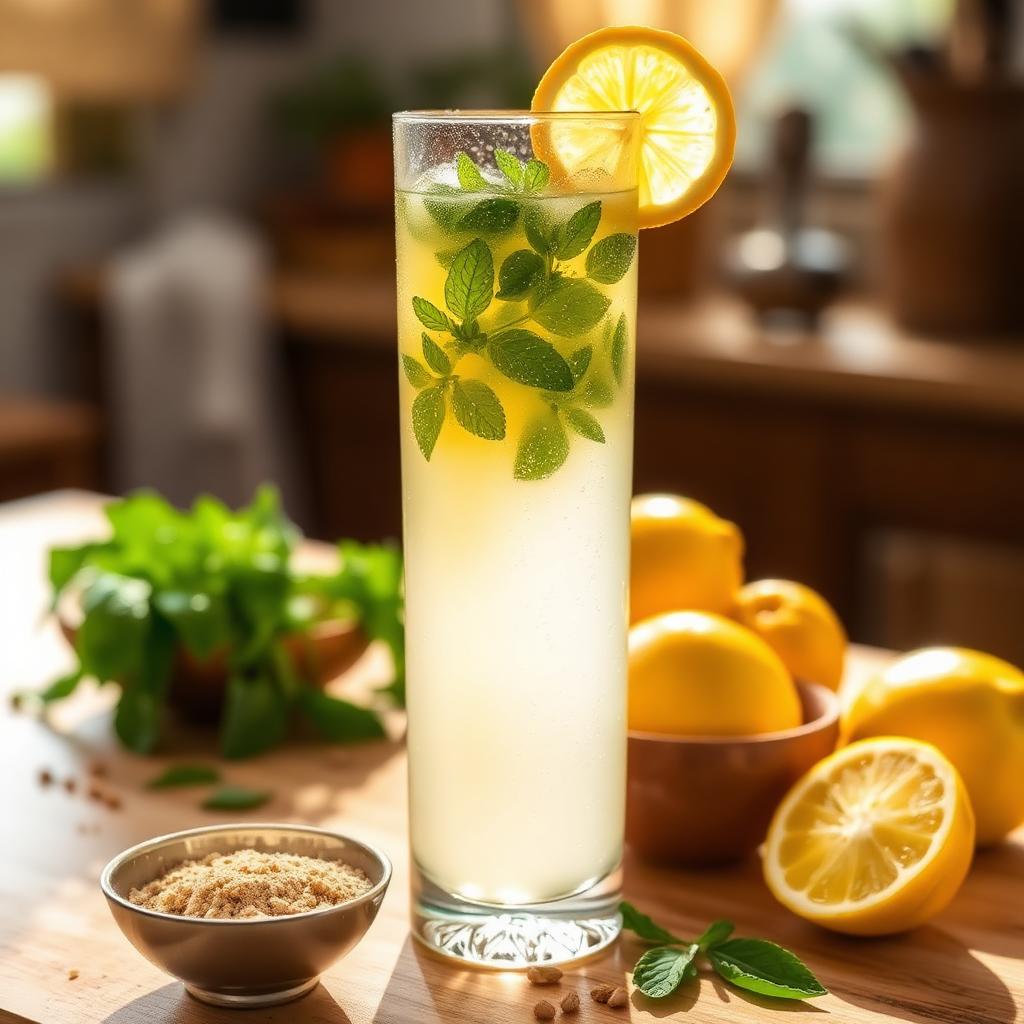
Sattu Drink Benefits: 15 Reasons Muskan Drinks It Daily

Founder, RootWell · Lost 20kg with Ayurveda · 5+ yrs in traditional digestive wellness, trained under family practitioners in Bihar.
A glass of sattu sharbat costs about ₹7 to make at home. It contains roughly 7g of plant protein, almost no fat, and keeps me full for 5 hours. For the price of one packet of biscuits, you can drink sattu every morning for 30 days. It is, hands-down, the most cost-effective wellness drink in India.
I'm Muskan. I grew up in Bihar where sattu sharbat was the default summer drink. Here are the 15 benefits I have personally noticed over the years — not a list copied from a study, but what actually changed in my own body. Yours may differ.
1. Instant Hydration in Indian Heat
When the temperature hits 40°C, my body cools down faster with a salty sattu sharbat than with plain water. The natural electrolytes (~720 mg potassium per 100g) plus added pink salt act as a desi ORS. My father pulled out the sattu jar the day the temperature crossed 38°C — and our family never bought a single packet of ORS.
2. Kills Mid-Morning Hunger
One glass at 8 AM keeps me full till 1 PM. The combination of 7g protein + 5g fibre slows down gastric emptying. I stopped reaching for biscuits with tea — that single shift saved me about 4kg in 8 months.
3. Naturally Cooling for the Body
Ayurveda classifies sattu as sheetal (cooling). On the days I feel acidic, mouth-ulcery or generally "heated up", a salty sattu drink with pudina settles things by lunchtime.
4. Clean Plant Protein
~7g of high-quality plant protein per glass — equal to one boiled egg, zero animal source, no protein-powder funk. After my pregnancy when whey was causing acne and bloating, sattu quietly became my daily protein top-up.
5. Supports Weight Loss
Low GI (~28), low fat, high satiety — the textbook profile for weight loss. The salty version of sattu sharbat is the single habit I credit most for losing 20kg post-pregnancy. Full protocol in sattu benefits for weight loss.
6. Helps Constipation
~5g of dietary fibre per glass. Drink it with lukewarm water in the morning and your bowel rhythm noticeably improves within 1–2 weeks. (More on this in how to clean stomach naturally.)
7. Stable Energy Without Sugar Spikes
No 11 AM crash, no 4 PM coffee craving. The low glycemic load means slow, steady glucose release. The exact reason Bihari farmers have drunk sattu before a full day in the fields for centuries.
8. Iron Boost for Indian Women
~1.8 mg iron per glass — useful for the ~50% of Indian women who run low. Add a few drops of lemon (vitamin C) to the drink and absorption improves.
9. Lowers Acidity Naturally
A salty sattu drink at 7 AM coats the stomach lining and quietly brought my acidity episodes down from 3x/week to almost zero. Cooling, alkaline-leaning food does what antacids only mask.
10. Better Skin (My Personal Observation)
When my gut became less inflamed, my skin cleared up. I had post-pregnancy pigmentation that gradually lightened over 4–5 months of daily sattu + reduced refined carbs.
11. Post-Workout Recovery
2 tbsp sattu + 1 cup milk + 1 tsp jaggery = a clean ~250-kcal recovery shake with ~14g combined protein. Cheaper and gentler on the gut than most commercial post-workout powders.
12. Good for Diabetics (with Doctor's Nod)
Low GI, high fibre, high protein — favourable profile for blood sugar management. Personal anecdote only; always consult your endocrinologist.
13. Postpartum Recovery
My nani fed me sattu in milk every morning for 60 days post-delivery. The iron + protein + magnesium combination is exactly what a recovering body needs. (Always check with your doctor first.)
14. Cheap. Indian. Sustainable.
Locally grown black chana, no plastic tubs, no flavour synthetics, no international supply chain. A bag of pure sattu has the lowest carbon footprint of any protein source I know.
15. Genuinely Tastes Good
Pure chana sattu with cold water, lemon, jeera, pudina and black salt tastes better than most packaged drinks. My son drinks it without complaint — and I cannot say that for any green smoothie.
How to Get These Benefits (My Daily Routine)
- Morning (7 AM): 2 tbsp pure chana sattu + 1 glass lukewarm water + lemon + pinch of black salt + roasted jeera. On empty stomach.
- Post-workout (alternate days): 2 tbsp sattu + cold milk + 1 tsp jaggery + cardamom.
- Hot afternoons: Salty sattu sharbat with ice, mint, lemon — repeat as needed.
Full recipes in how to make sattu drink at home.
Side Effects & Cautions
- Start with 1 tbsp if you have a sensitive stomach — sattu is high in fibre and can cause initial gas if you jump straight to 2 tbsp.
- Avoid in the middle of a heavy cold/cough (traditional Bihari rule).
- Kidney patients — high in potassium and plant protein, consult your doctor.
- Pregnant women — generally safe and traditionally recommended, but check with your gynaecologist on quantity.
Frequently Asked Questions
Can we drink sattu daily?
Yes — 1–2 tablespoons (15–30g) once a day is safe for most healthy adults. I've personally drunk it almost daily for 5+ years.
When is the best time to drink sattu?
Empty stomach in the morning (7–8 AM) for weight loss and digestion, or post-workout for protein and recovery. Avoid late at night — it's heavy to digest.
Sattu with water or milk — which is better?
Water + lemon + salt = weight loss and cooling. Milk + jaggery = weight gain, strength, post-workout. Both have a place.
Does the type of sattu matter?
Yes — only 100% pure chana sattu delivers the full protein, fibre and benefits. Mixed-grain sattu is diluted with barley/besan and gives much less. See the top 10 sattu brands compared.
Start Your Daily Sattu Habit
All 15 benefits above are built on one foundation: 100% pure chana sattu. No fillers, no shortcuts.
Sources & Further Reading
- Ministry of AYUSH, Government of India
- NIH NCCIH — Ayurvedic Medicine: In Depth
- PubMed — Peer-reviewed research on Ayurveda & digestion
- World Health Organization — Traditional Medicine
Medical disclaimer: This article is written by Muskan Kumari and reviewed on 1 Oct 2026. It is based on classical Ayurvedic texts, lived personal experience, and publicly available research — and is for educational purposes only. It is not a substitute for professional medical advice, diagnosis, or treatment. Always consult a qualified healthcare practitioner for medical conditions, especially if you are pregnant, nursing, or on prescription medication.